


The science of chocolate
- A special yeast can make chocolate taste more fruity
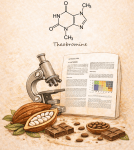 This time a study that did something with cocoa fermentation: rather than just observing which microbes show up naturally, the researchers actively bred a new yeast strain . They designed it to survive some of cocoa’s harsh fermentation conditions while pumping out far more fruity aroma compounds than the other yeasts that normally dominate do. Then they tested whether this different yeast actually changes the flavour of the final chocolate. Esters, and fermentation heat as an obstacle (a little background first)A lot of the fruity characters in fermented foods and drinks (chocolate, beer, wine) come down to a group of… Read more: A special yeast can make chocolate taste more fruity
 - A gene atlas showing where and when cacao’s genes ‘switch on’Time for a look at the Cacao Gene Atlas. This is a public database locating which of Theobroma cacao’s genes are switched on across 123 different tissues and life stages. This atlas was built from 390 individual samples. Breeding a new cacao variety, for example one that’s higher in yielding, or more resistant to a disease (like the swollen shoot virus I wrote about earlier), takes an estimated 20 to 30 years. Part of the reason this is so slow a process is that (until now), breeders had very little detailed information about which of cacao’s genes actually do what,… Read more: A gene atlas showing where and when cacao’s genes ‘switch on’
- Swollen Shoot Viruses infecting cacao trees in GhanaA review of Cacao Swollen Shoot Viruses in Ghana, using decades of colonial field reports combined with several modern genetic studies. Ghana has been one of the world’s top cocoa producers for over a century, but for nearly as long it’s also been fighting the very first cacao-infecting virus ever discovered: cacao swollen shoot virus (CSSV). It consists of not one virus, but a complex of different Badnavirus species. It is spread by small insects called mealybugs. As I mentioned, this paper is a review article. That means that it is not a single study. I think a review is… Read more: Swollen Shoot Viruses infecting cacao trees in Ghana
Chocolate posts
- The cacao tree
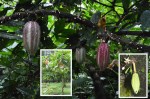 The origin of chocolate, telling its story, should start at the beginning. In my opinion, we start with the tree and the fruit it gives us. How it’s made: the cacao tree, Theobroma cacao. Known by many as the Food of the gods, if you translate it literally. If you ask me a fair enough name, once you have tasted the good stuff. Not chocolate, but the fresh fruit. I recall the first time I stood next to my first cacao tree, on a small farm near Sarapiquí, in Costa Rica, back in 2017. A trip I still think about… Read more: The cacao tree
 - My IICCT Level 2 journey: Flavour maps, cacao varieties and a blind tasting exam.
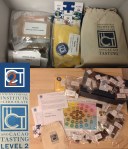 After the foundation of Level 1, this is where it deepens. Not a free fall, but a deep dive. With seven webinars, two dedicated sensory review sessions, two recorded lectures, home study, and a two-part exam at the end. These nine weeks were truly something next level, in so many ways. Based on my memories, impressions and notes (as it’s been some time), I’ll guide you through the process. The tasting kit was the first clue that I outgrew the ‘newb level’ tasting. I received a proper flavour profile map which helped me to go and find my inner chocolate… Read more: My IICCT Level 2 journey: Flavour maps, cacao varieties and a blind tasting exam.
 - Getting my IICCT level 1
 The IICCT stands for International Institute of Chocolate & Cacao Tasting. It is a global community of fine chocolate and cacao tasters. Both experts and enthusiasts came together to learn more about chocolate’s fine flavours. The institute offers the world’s first accredited qualifications in chocolate tasting, offering 3 different levels. So after some external convincing (yes, I had to be persuaded), I booked myself onto the Online combined Level 1 & Level 2 Certificate in Chocolate Tasting. Signing up for nine weeks of home study, webinars and tastings, with a tasting kit shipped straight to my house in Germany. Level… Read more: Getting my IICCT level 1
Nieuwste recepten
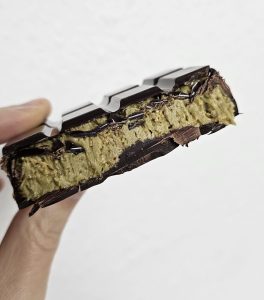
- Gevulde chocolade reep met pistachepasta en kadayif
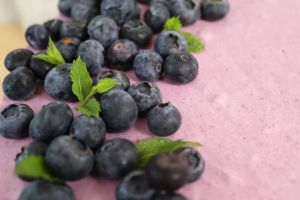
- Yoghurt blauwe bessen taart
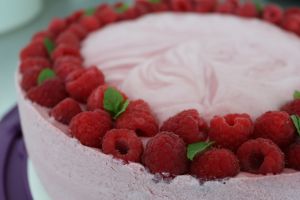
- Yoghurt frambozen taart
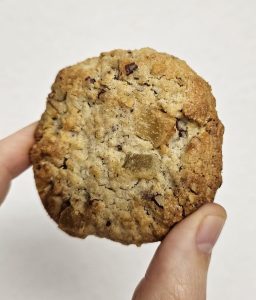
- Gember koekjes met pecan noten en havermout koekjes
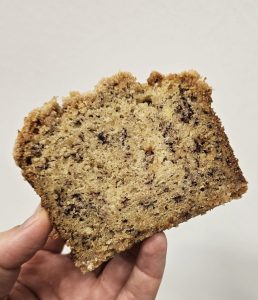
- Bananenbrood met kaneel crumbel
- Mon Chou Crunch Cup
- Karamel taart
- Brownies extra choco

- Lemonbars
- After Eight cupcakes

Food talk
- The big five: Vocht
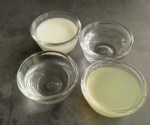 Graag wil ik jullie wat meer vertellen over ‘The big five’ van de (thuis)bakker, zoals Eke Mariën ze in zijn bakboek ‘bakken met kennis’ noemt. Meel, vet, eieren, vocht en suiker. Vocht wordt vaak vergeten of men ziet het niet gezien als een ingrediënt. Zelf vond ik dit de lastigste van de 5 om uit te leggen, vooral omdat het zo gigantisch veel omvat. Meestal (uitzonderingen nagelaten) is vocht onmisbaar in je baksel. De slogan van het stoepje “I Love Natte Cake” is bekend bij vele, maar hoe zit het nu precies met vocht? Hoe gebruik je melk, water en… Read more: The big five: Vocht
 - The big five: Suiker
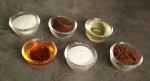 Graag wil ik jullie wat meer vertellen over ‘The big five’ van de (thuis)bakker, zoals Eke Mariën ze in zijn bakboek ‘bakken met kennis’ noemt. Meel, vet, eieren, suiker en vocht. Suiker is een ‘hot en happening’ thema en het gebruik van verschillende soorten geeft een ander resultaat in je baksel. Hoewel ik zeker geen expert ben, deel ik graag met je wat ik na wat zoeken, luisteren, lezen en speuren heb geleerd over suiker.
 - The big five: Eieren
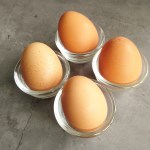 Graag wil ik jullie wat meer vertellen over ‘The big five’ van de (thuis)bakker, zoals Eke Mariën ze in zijn bakboek ‘bakken met kennis’ noemt. Meel, vet, eieren, suiker en vocht. Een ei hoort erbij! Of toch niet? Een ei is enorm veelzijdig en zeer voedingsrijk. Bakken zonder eieren is een uitdaging. Graag vertel ik jullie wat ik na wat zoeken, luisteren, lezen en speuren heb geleerd.
 By Diënty